

Deep down, all of us want the same thing: unshakeable confidence, resilience, and real friends who actually have our back.
So why does finding that kind of community feel harder than ever?
Because alongside cancel culture, a quiet fear crept in: the anxiety of getting canceled, ghosted, or written off yourself.
When you grow up watching people get publicly dragged for a single mistake, social friction feels dangerous. To protect yourself, a natural defense mechanism kicks in: Opting out. You keep relationships surface-level, hide behind screens, and keep one foot out the door.
Here’s the hard truth: You can’t build real confidence or deep friendships while constantly looking for the exit. Combating cancel culture requires fighting the urge to opt out when things get uncomfortable.
Here is a deep dive into how the “opt-out” mindset is holding your generation back, the psychological toll of soft-ghosting, and how choosing a real, grace-filled community will completely level up your life.
The Anatomy of “Opting Out”: How We Got Here
To understand why “opting out” has become the default setting for so many young adults, we have to look at the cultural water we’ve been swimming in for the past decade.
Cancel culture didn’t just change how we interact on Twitter or TikTok. It completely rewired our nervous systems for real-world relationships. It created an environment where the stakes of human interaction feel dangerously high.
When mistakes are met with public excommunication rather than private restoration, your brain registers conflict as a threat to your social survival. So, to stay safe, you build defense mechanisms:
- The Soft-Ghost: Instead of having a two-minute awkward conversation to clarify a misunderstanding, you slowly stop replying to texts, making plans, or engaging until the relationship quietly dies.
- The “Protecting My Peace” Shield: You weaponize therapeutic language to justify cutting off anyone who challenges your perspective, holds you accountable, or requires actual effort to love.
- The Performed Agreement: In group settings, you nod along and pretend to agree with whatever the dominant opinion is…not because you actually believe it, but because standing out feels like putting a target on your back.
While these habits might save you from short-term awkwardness, they carry a massive long-term price tag.
3 Major Ways the “Opt-Out” Mindset is Hurting You
When cancellation is everywhere, fear ends up driving your entire social life. This creates three massive roadblocks to becoming the leader, friend, and follower of Christ you are meant to be:
1. Shallow Connections (Trading Intimacy for Vibe-Checking)
If you operate under the assumption that someone will drop you the moment you mess up or disagree, you’ll never let them see the real you. You trade authentic, messy, life-giving friendship for safe, performance-based vibes. You end up surrounded by acquaintances who like your aesthetic, but nobody who actually knows your heart, your struggles, or your dreams.
2. Zero Conflict Muscle
Conflict isn’t a sign that a relationship is dead. It’s actually the exact place where relational depth is forged. But emotional maturity requires practice. If you never practice working through awkward moments, managing disappointment, or communicating through tension, your emotional development stalls out. When real life hits later…in a marriage, a career, a ministry, or a roommate situation…you won’t have the muscle memory to handle it.
3. The Loneliness Loop
Here is the tragic irony of the opt-out culture: when every uncomfortable situation is an excuse to walk away, you end up surrounded by nobody. You trade the temporary discomfort of real community for the quiet, chronic safety of isolation. We are currently living through the loneliest generation in modern history, not because we lack access to people, but because we lack the courage to stay in the room with them.
The Counter-Cultural Move: Staying at the Table
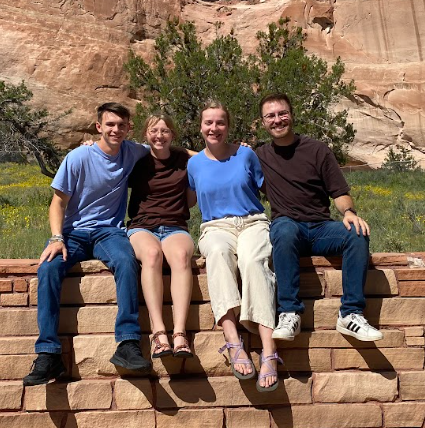
The Gospel offers a completely different, radical blueprint for how human beings are meant to relate to each other.
Where cancel culture says, “You messed up, so you’re written off,” biblical community says, “You’re imperfect, I’m imperfect, but we’re committed to working through this together.”
Scripture calls this covenant community. It is the intentional, rock-solid decision to stay at the table even when things get messy, awkward, or frustrating. Look at how the Apostle Paul breaks this down in his letter to the Colossians:
“Bear with each other and forgive one another if any of you has a grievance against someone. Forgive as the Lord forgave you.” (Colossians 3:13)
Notice the phrase “bear with each other.” That doesn’t say “abandon each other when things get weird.” It literally means making real physical and emotional room for people’s quirks, mistakes, bad days, and growth edges instead of instantly cutting them off.
And in the Old Testament, Proverbs gives us the ultimate picture of what real, unfiltered community accomplishes:
“As iron sharpens iron, so one person sharpens another.” (Proverbs 27:17)
Think about what actually happens when iron sharpens iron: sparks fly. Heat is generated. Friction is an absolute requirement for the process to work. You cannot get sharpened, shaped, or polished if you run away the second things get uncomfortable or tense.
At OneLife, we don’t expect our students to agree on every single minor topic, come from identical backgrounds, or live together for nine months without bumping heads. Friction is 100% guaranteed. But instead of letting you ghost, isolate, or opt out, we give you the safety, mentorship, and biblical framework to lean in. This is how we learn how to extend the same radical grace that Jesus extends to us every single day.
The 4 Skills You Gain When You Resist Opting Out
When you make the brave choice to drop the exit strategy and commit to staying present through difficult moments, you build character traits that instantly set you apart in a world full of ghosters:
1. Direct, Grace-Filled Communication
Instead of venting to three other roommates, dropping passive-aggressive stories on Instagram, or letting resentment rot in your chest, you learn how to handle things head-on. You build the confidence to pull a friend aside and say, “Hey, when that happened earlier, it felt a little off. Can we talk about it?” with total humility, clarity, and zero unnecessary drama.
2. An Unshakeable Nervous System
When someone disagrees with your outlook, offers a different worldview, or gives you constructive feedback, you don’t have to spiral, defensively lash out, or go into panic mode. Staying at the table trains your emotional intelligence to handle hard conversations without crumbling.
3. The Power of Real Reconciliation
Experiencing true forgiveness (both giving it when you’ve been hurt and receiving it when you’ve blown it) is a complete game-changer. It proves to your brain that a friendship can go through a rough patch, face the truth, and actually come out tighter, safer, and stronger on the other side.
4. Leadership Maturity for the Real World
In your future career, team, family, or church, the people who know how to navigate conflict with grace are the ones who get trusted with real responsibility. When you master the art of staying at the table during your young adult years, you develop high-level leadership capital that employers, ministry leaders, and peers are desperately looking for.
From “Opting Out” to “Stepping Up”

You were never meant to navigate life alone, hide behind a screen, live in constant fear of being written off, or settle for shallow, fragile friendships.
You were built for covenant community. You were built to be known, to be challenged, to forgive, to be forgiven, and to grow alongside a crew that is locked into the same mission.
We know just how hard it is to build covenant community. But trust us when we say it is SO WORTH IT.
Come experience a OneLife environment where it’s safe to be fully yourself, safe to ask hard questions, safe to make mistakes, and safe to grow into the leader God created you to be.
Get a taste by meeting current gap year students who are living this out every day, talk with our team, and see what happens when you trade cancel culture for unconditional, Christ-centered community.
Ready to see it for yourself? Schedule your OneLife campus visit today!