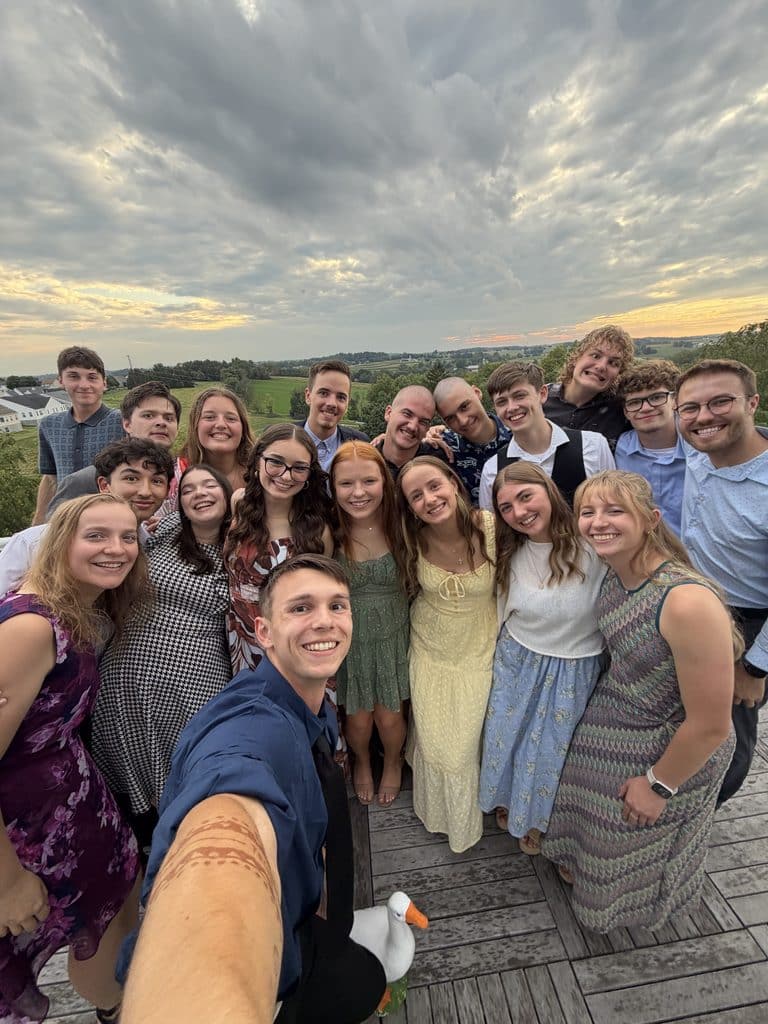

High school graduation is hyped up as the ultimate milestone. But if you are a neurodivergent student…whether you have ADHD, Autism, Dyslexia, or processing differences…the transition to what comes next can feel less like a launchpad and more like falling off a cliff.
In high school, your life had built-in structure. Teachers reminded you when assignments were due, parents helped manage your schedule, and your daily routine was predictable.
Then suddenly, the world expects you to step into college or a 40-hour work week and instantly master executive functioning: managing your own time, balancing unstructured hours, maintaining sleep hygiene, cooking meals, regulating your sensory tank, and building new social circles from scratch.
It’s no surprise that traditional environments often lead to early burnout. Research from the National Center for Learning Disabilities shows that while neurodivergent students attend college at similar rates to their neurotypical peers, only 35% of students with learning differences complete their degree within six years. This is largely due to a sudden drop in environmental support, executive function overload, and chronic stress.
This is exactly why more neurodivergent young adults and their families are choosing a different path: a structured gap year.
A gap year isn’t a “year off” or a pause button on life. When done right, it is a high-support, high-challenge bridge that helps neurodivergent brains build self-efficacy, emotional regulation, and real-world independence.
Here is a deep dive into the research on why a gap year is uniquely beneficial for neurodivergent minds, and how a structured environment sets you up to thrive long-term.
Benefit #1: It Closes the “Executive Function Gap”

Executive functions are the brain-based management skills that allow us to plan, focus attention, remember instructions, prioritize tasks, and juggle multiple responsibilities.
Neurodevelopmental research published by the National Institutes of Health reveals that the prefrontal cortex (the brain region responsible for executive functioning) develops at a different pace in neurodivergent individuals, often showing a lag of up to 3 to 5 years in executive maturation compared to neurotypical peers.
This doesn’t mean neurodivergent brains are less capable or less intelligent. It simply means that an 18-year-old with ADHD or Autism might possess brilliant conceptual thinking, but have the executive function age of a 14- or 15-year-old when it comes to self-directed organization.
Plunging directly into a high-stakes, 15-credit-hour college schedule expects instant executive perfection. A structured gap year, on the other hand, acts as developmental scaffolding:
- Low-Stakes Task Management: You practice managing daily logistics, deadlines, and group dynamics without the looming threat of ruining your college GPA.
- Micro-Habit Building: You build sustainable routines for sleep, physical movement, and personal accountability in real time.
- Guided Autonomy: Mentors help you recognize when you are getting overwhelmed and work with you to build personalized organization systems that fit your specific brain.
Benefit #2: It Replaces “Masking” and Burnout with Genuine Self-Advocacy
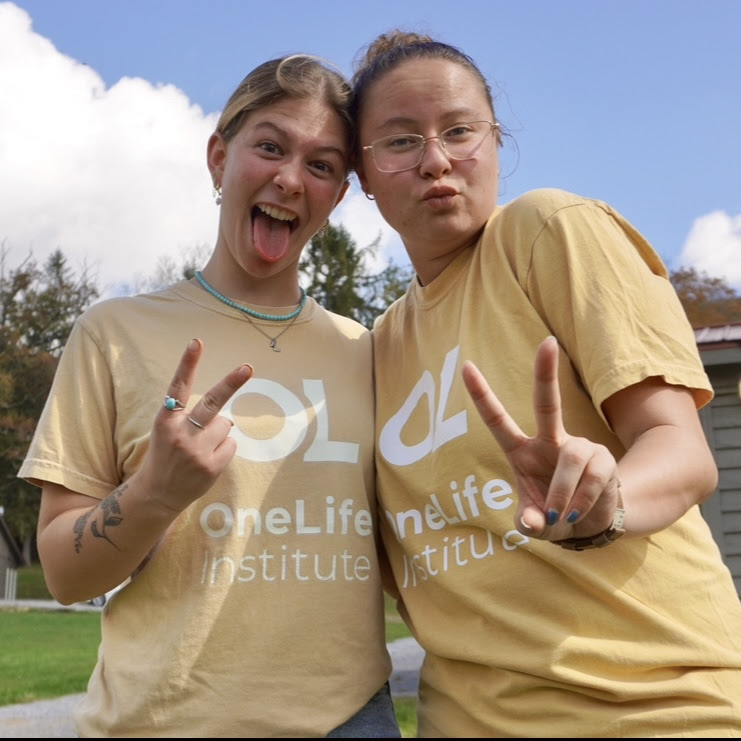
For years, many neurodivergent students survive high school through forcing themselves to suppress their natural stims, hyperfixations, sensory discomforts, or processing styles to fit into standard classroom boxes. This is called masking.
A study from Molecular Autism found that prolonged masking in young adults directly correlates with elevated social anxiety, depression, and severe autistic/ADHD burnout.
To succeed in adulthood, you don’t need to learn how to mask better; you need to learn self-advocacy.
A gap year provides an intentional environment where you can step out of survival mode and answer critical questions about how your brain actually operates:
- “What does my sensory overload feel like before I hit a wall?”
- “What specific accommodation or workspace setup helps me focus best?”
- “How do I clearly explain my processing style to a professor, boss, or friend without feeling ashamed?”
According to independent outcome research compiled by the Gap Year Association, 98% of gap year alumni report that their experience helped them grow in personal maturity and self-confidence, while 84% stated it helped them gain skills that directly impacted their career and academic path. When you know how to advocate for your needs, college and work stop being terrifying.
Benefit #3: It Offers Experiential, Kinesthetic Learning
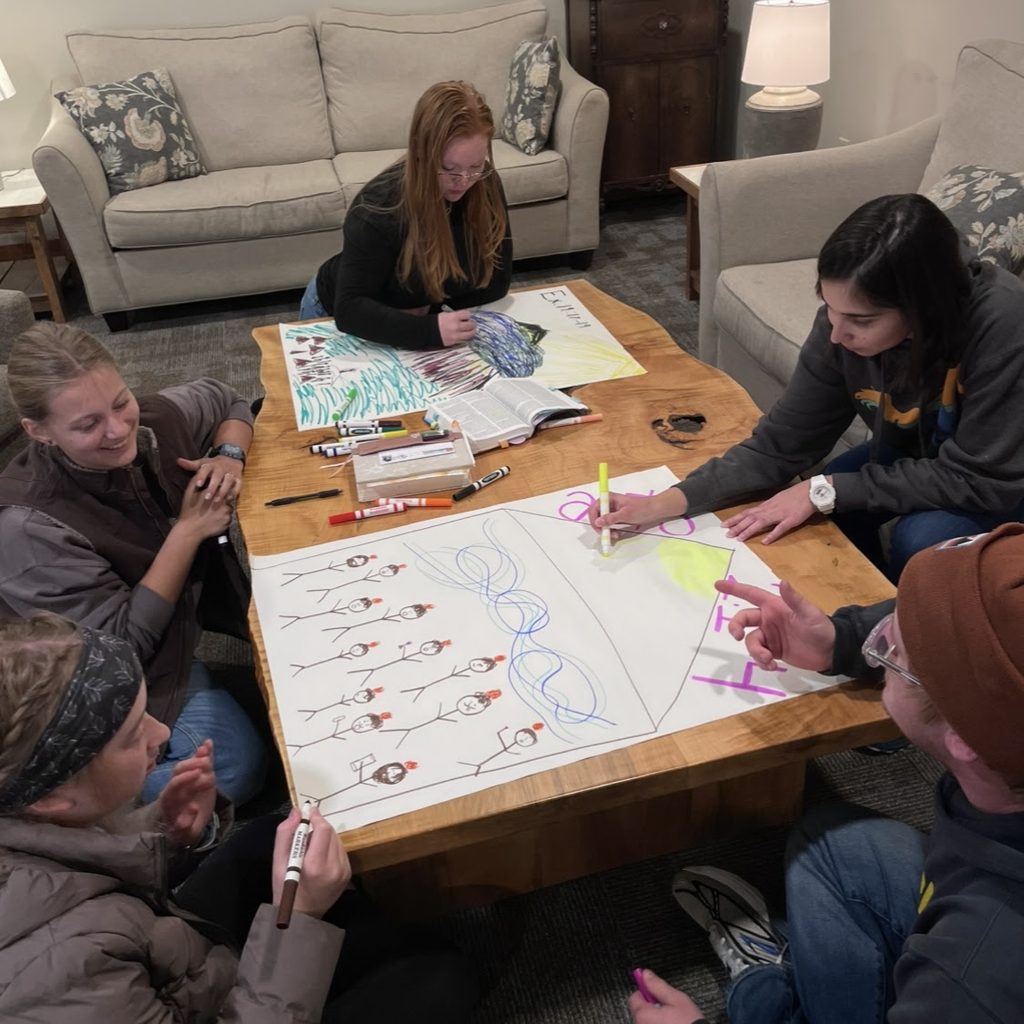
Standard classroom setups, like sitting still in a lecture hall for three hours listening to a professor read off PowerPoint slides, are often the worst possible learning environment for an ADHD or kinesthetic processor. Neurodivergent brains thrive on novelty, hands-on application, and immersion.
Psychologist David Kolb’s pioneer research on Experiential Learning Theory demonstrates that deep cognitive retention happens when learning involves concrete experience, reflective observation, and active experimentation.
This is where a gap year shines. Instead of only reading about history, leadership, or culture in a textbook, you experience it:
- You travel, navigate public transit, and manage travel logistics with a cohort.
- You engage in community service, physical challenges, and hands-on team projects.
- You process lessons in real time through small-group discussions rather than timed, high-pressure written exams.
This shifts learning from an anxious chore into an energizing, high-dopamine experience that plays directly to neurodivergent strengths like hyper-focus, creativity, and out-of-the-box problem solving.
Benefit #4: It Provides “Co-Regulated” Community Over Isolation
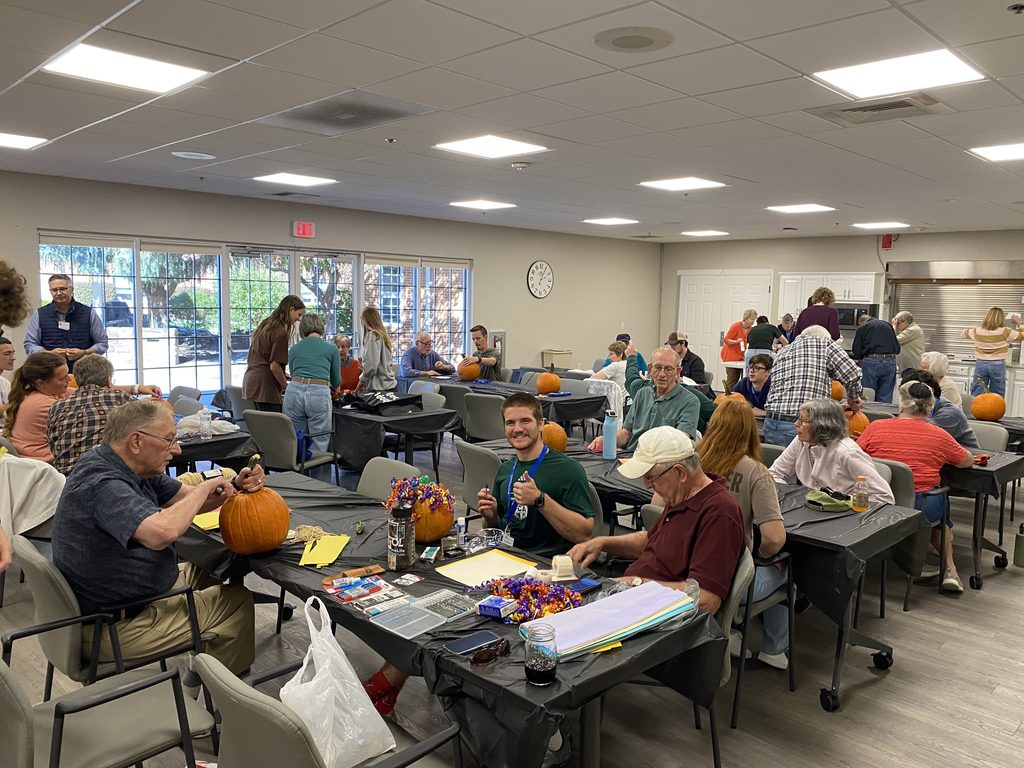
The biggest shock for neurodivergent students entering traditional higher education is the sudden loss of community support. Living alone in a dorm room or apartment often leads to isolation, hyper-fixation on screens, erratic sleep cycles, and skipped meals.
Human brains don’t learn self-regulation in total isolation; we learn through co-regulation.
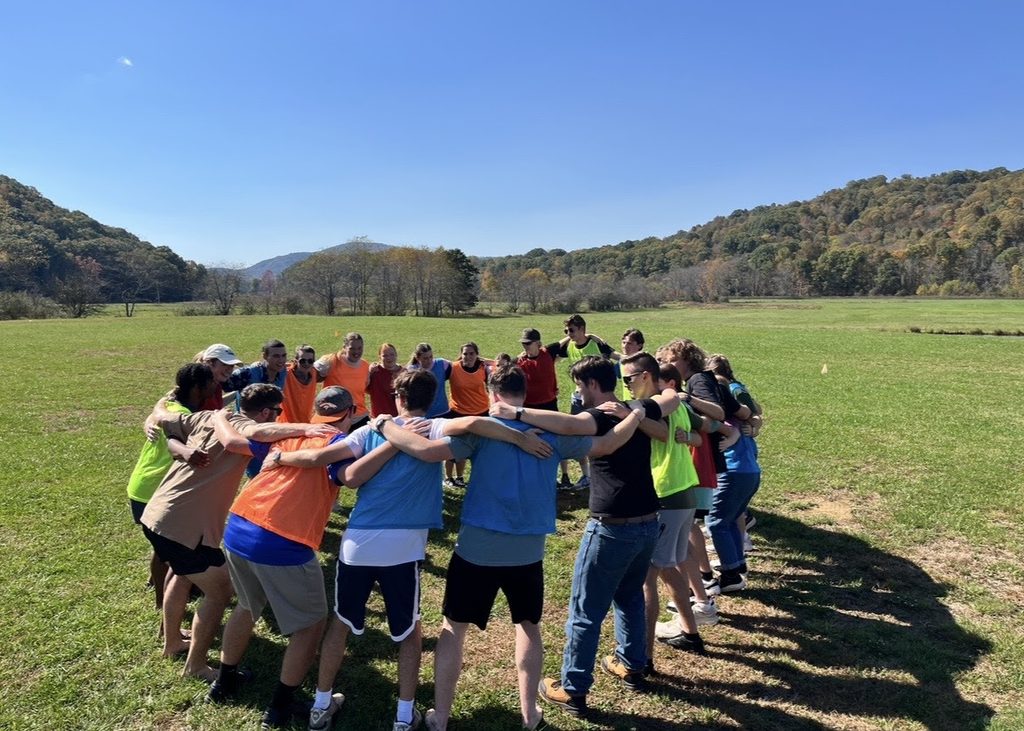
When you spend nine months in an intentional, structured gap year community, you are surrounded by peers and mentors who walk alongside you daily.
“Iron sharpens iron, so one person sharpens another.” (Proverbs 27:17)
And for those from a Christian background, having a biblical foundation as part of the gap year environment is hugely beneficial, especially when community isn’t something you navigate alone behind a screen. You share meals, tackle chores, resolve conflict face-to-face, and practice spiritual disciplines together. The daily rhythm of a healthy, Christ-centered community naturally regulates your nervous system, points you back to a foundation you can trust, and keeps you grounded when stress hits.
The OneLife Blueprint for Neurodivergent Growth
At OneLife, we don’t treat neurodivergence like a flaw that needs to be fixed or an obstacle to overcome. We view different processing styles, unique talents, and creative wiring as intentional, hand-crafted gifts created by God for a specific purpose.
Our nine-month program across our three sites is built around the 4-Component Learning Cycle: Learn, Experience, Teach, Travel.
When you look at Scripture, David reminds us of the profound intentionality behind how our brains and bodies were designed:
“For You created my inmost being; You knit me together in my mother’s womb. I praise You because I am fearfully and wonderfully made…” (Psalm 139:13–14a)
Notice that word: “knit.” Knitting is deliberate, detailed, and intricate. God didn’t make a mistake when He wired your brain to process information, absorb details, experience hyper-focus, or see the world differently.
You weren’t mass-produced on an assembly line. You were fearfully and wonderfully made!
A structured gap year gives neurodivergent young adults the exact environment they need to discover how God wired them, stepping out of survival mode and into their unique, God-given design.
Here is how our environment scaffolds success for neurodivergent minds:
- Intentional Rhythms: Clear weekly structures (including digital detox periods) that eliminate cognitive fatigue and restore baseline focus.
- Direct Mentorship: One-on-one staff mentorship and peer triad groups that keep you accountable without judgment.
- Real-World Application: Earn accredited college credits while engaging in service, outdoor adventure, and international travel (like our trip to Italy).
- Safe Community: A grace-filled, covenant culture where you don’t have to mask to belong.
A Quick Note: Neurodiversity Is a Spectrum (Not a One-Size-Fits-All)
Before we go any further, it is critical to pause and say this clearly: neurodiversity is a vast, unique spectrum.
Having ADHD, Autism, Dyslexia, or processing differences looks entirely different from one person to the next. What serves as a transformative, high-growth environment for one student might feel overwhelming or dysregulating for another.
While a structured, experiential gap year offers incredible scaffolding for many neurodivergent young adults, it is not a universal magic fix, nor is it the right fit for everyone.
Understanding your own boundaries, sensory triggers, and support needs is the first real step of adult self-advocacy. The goal isn’t to force yourself into a specific box. It’s to find the environment (whether that’s college with accommodations, vocational training, or a gap year) where your specific brain can flourish.
Want to see how OneLife supports diverse learners and builds confident young leaders?
Schedule your OneLife visit today! Come visit us on site to meet our team, talk with current students, and discover what happens when you build a bridge to your future instead of rushing over a cliff.