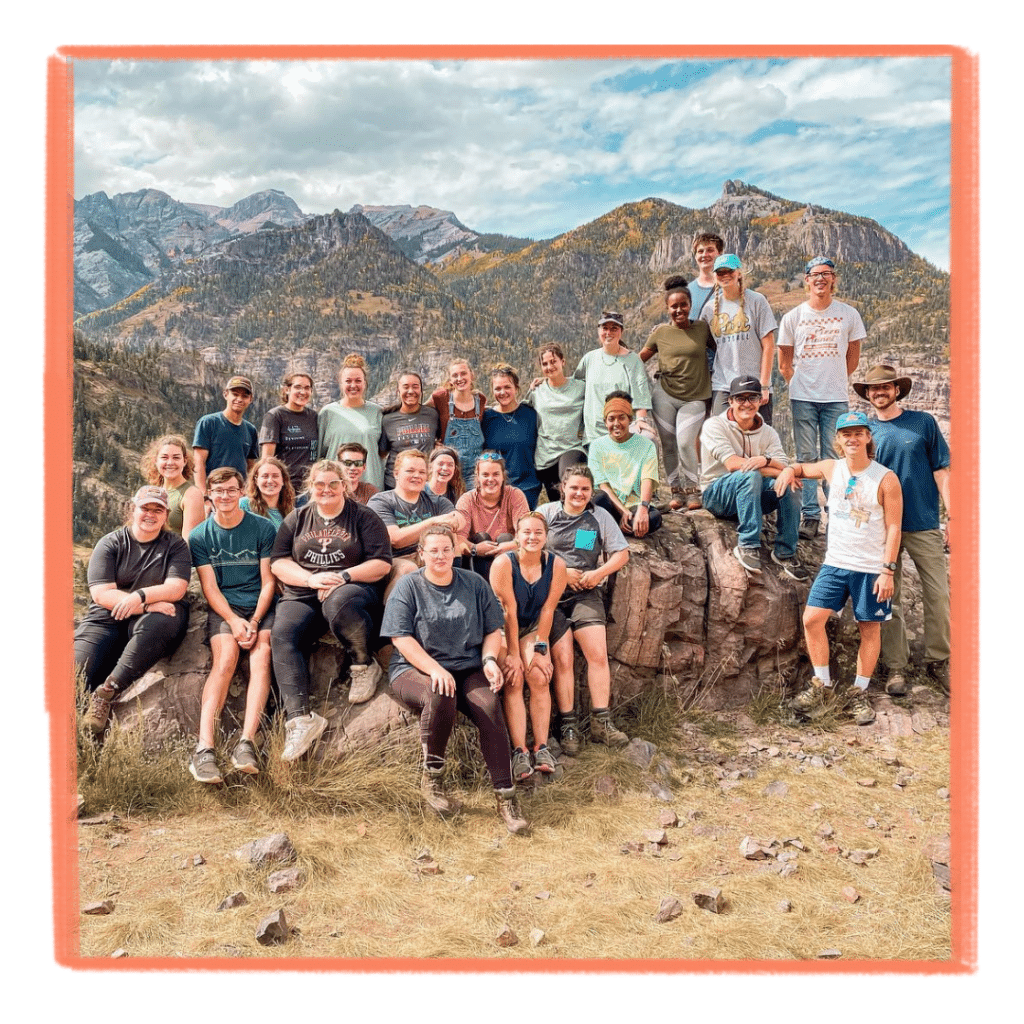
Let’s be honest about traditional higher education for a second…
For decades, the standard playbook for learning has looked like this:
- Sit in a massive auditorium with 200 other people you barely know.
- Stare at a slide deck for an hour while frantically taking notes.
- Cram all the facts into your head during a late-night study session the day before a mid-term.
- Regurgitate those facts on a multiple-choice scantron or a blue book exam.
- Forget literally everything 48 hours later.
If that sounds exhausting, uninspiring, and deeply disconnected from real life…it’s because it is.
The human brain wasn’t built to learn in a vacuum. There is so much more to true education than just hearing information and spitting it back out for a grade. Real learning isn’t about memorizing trivia to pass a test. It’s about connecting what you learn to how you actually live.
Your beliefs should directly affect your behavior.
That’s why at OneLife, we completely tossed out the old higher-ed playbook. We don’t just sit in classrooms all day staring at whiteboards or waiting for a professor to finish a 50-minute lecture. Instead, we explore every single topic using a 4-Component Learning Cycle designed to get information out of your head, into your hands, and into your daily habits.
Here is what learning actually looks like when you step beyond the standard lecture hall:
1. LEARN: Inspiration over Information
Yes, classroom instruction still has a place, but even our classroom setup looks completely different from what you might expect.
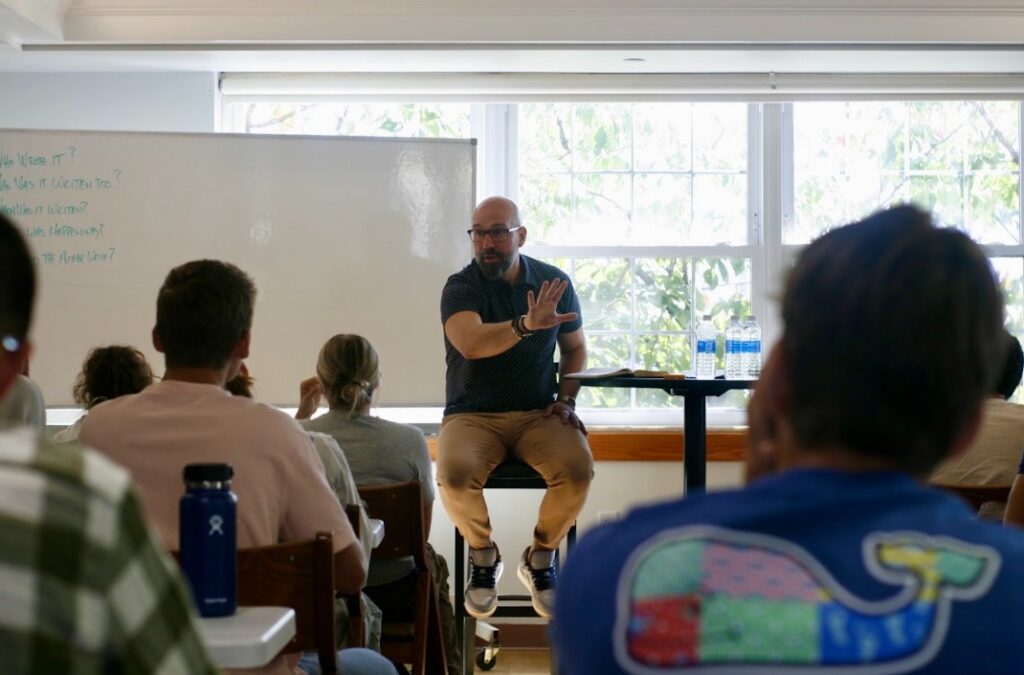
Instead of a tired professor running through the exact same PowerPoint presentation they’ve used for the last ten years, OneLife brings in expert speakers, seasoned pastors, top-tier professors, and working marketplace professionals. They bring raw passion, real-world stories, and deep biblical wisdom into the room every single week.
The real magic of the Learn component isn’t just what happens while the speaker is talking at the front of the room. It’s what happens after they step down from the stage.
Our speakers don’t just present and drive away. They stay on campus with us.
- They sit at the dining hall tables and eat lunch alongside students.
- They grab coffee and hang out in the lounges during afternoon breaks.
- They host informal, fire-side Q&A sessions where no question is off-limits.
You aren’t just a number on an attendance sheet or an anonymous email address in an inbox. You are a human being processing big, foundational life questions alongside leaders who have actually walked the road ahead of you and genuinely care about your growth.
2. EXPERIENCE: Taking it Outside the Four Walls
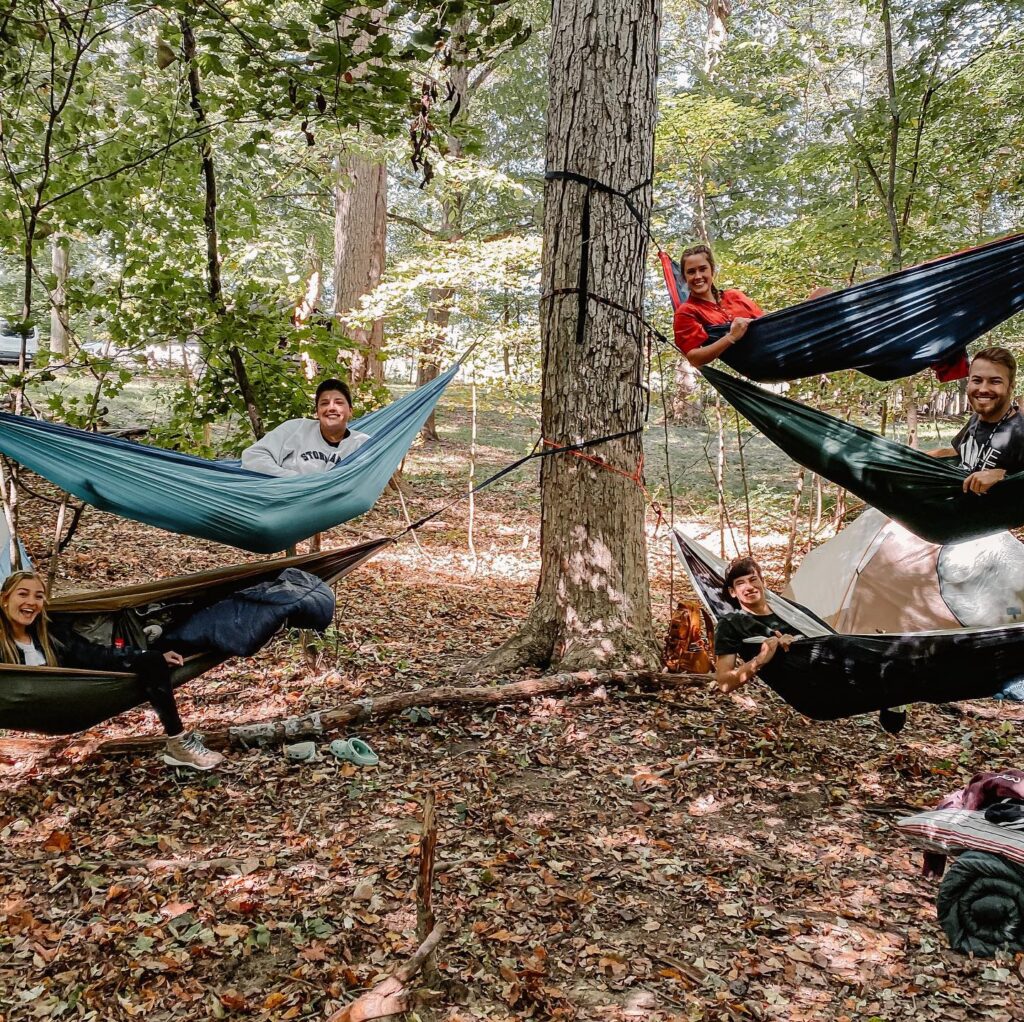
Learning in a classroom is never enough on its own. It’s one thing to read about servant leadership or biblical worldview in a textbook; it’s a completely different thing to see what those concepts look like when applied in the middle of a messy world.
That’s why experiential learning is woven directly into our academic calendar.
During our experiential weeks, students step straight into local communities, non-profit organizations, and urban centers to see how biblical truths operate in real time.
By getting your hands dirty, you stop viewing subjects as abstract ideas to analyze. You start seeing them as living, breathing realities that require your active participation, character, and empathy.
3. TEACH: The Ultimate Test of Knowledge
Did you know that research consistently shows that teaching a concept to someone else is the single most effective way to retain that information long-term?
It’s called the protégé effect. If you can’t explain a concept simply to someone else, you don’t actually understand it yet. You’ve just memorized words.
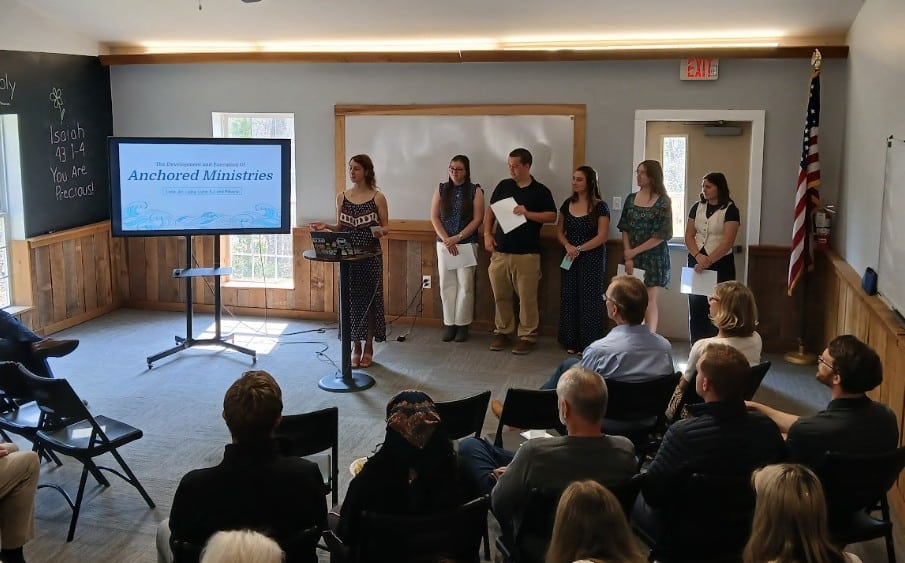
During the third component of our cycle, students perform collaborative group “teachbacks.” This isn’t just standing up and reading off a note card; it involves hands-on research, creative writing, group strategy, and public communication. Students work together to present what they’ve personally learned back to their peers.
Why Teachbacks Change the Game
- From Passive to Active: You move from being a consumer sitting in a chair to an owner standing at the front of the room.
- Refining Your Voice: You practice articulate public speaking, professional presentation, and handling live questions from your peers.
- Building Deep Retention: Because you had to synthesize the material to teach it, that knowledge lodges deep in your memory rather than disappearing after exam week.
By stepping into the teacher’s shoes, you stop asking “What do I need to know for the test?” and start asking “How do I communicate this truth so it transforms someone else?”
4. TRAVEL: Putting Belief into Action
First, we learn to gain foundational knowledge. Second, we experience the practical difference that knowledge makes. Third, we teach others so the concepts take root in our own minds.
And fourth, we put the entire cycle into action through intentional travel and hands-on application.
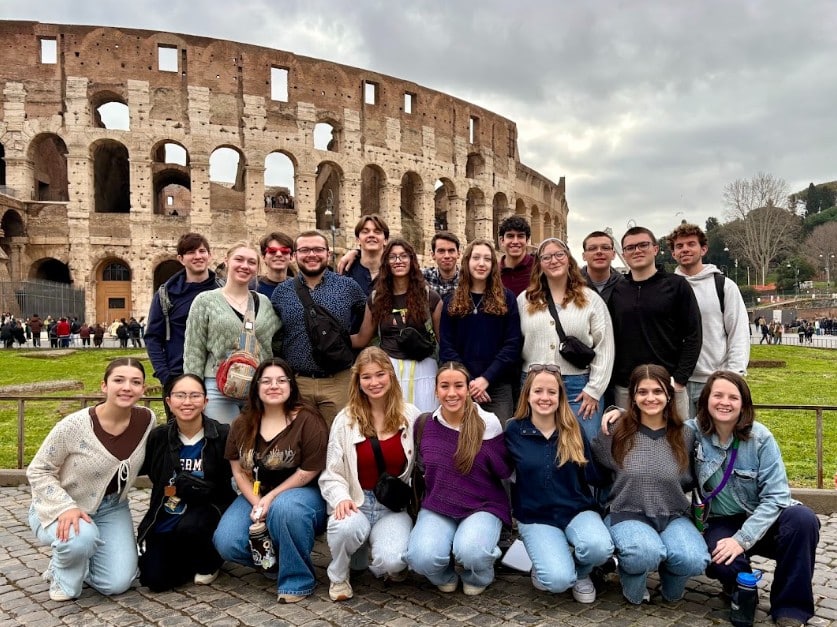
The final component of our cycle involves stepping outside of your comfort zone…literally. Whether we are traveling across the country, serving in unfamiliar cultural settings, or navigating outdoor expeditions, travel strips away the noise and forces you to adapt.
Navigating new environments with a team builds the exact soft skills that employers and universities are desperately hunting for: unshakeable adaptability, emotional intelligence, cultural empathy, and real grit.
This component forces you to confront the ultimate questions of education:
- What am I actually going to DO with what I’ve learned?
- How will this knowledge change the way I treat people tomorrow?
- Does what I claim to believe about God actually change how I navigate difficult, unexpected situations?
Why This 4-Component Model Works for Life After High School
The world doesn’t need more people who are good at sitting quietly in rooms and filling out worksheets.
The world needs leaders who know how to think critically, communicate clearly, adapt quickly, and serve selflessly.
When you learn through this 4-component framework—Learn, Experience, Teach, Travel—you don’t just accumulate a list of head-facts. You build a life-framework. You learn how to take any complex topic, engage with it deeply, test it in the real world, share it with others, and integrate it into your character.
Education was never meant to be a passive spectator sport. It was meant to be an adventure that transforms who you are, clarifies where you are going, and equips you to impact the world for His glory.
Ready to change the narrative?
If you’re tired of the standard “sit-and-memorize” routine and you’re ready for an environment where your learning actually translates into living, we’d love to have you join us.
At OneLife, our nine-month gap year is specifically built around this 4-Component Learning Cycle so you can step into your next season with total clarity and confidence.
Ready to experience a different kind of education? Come check out OneLife and start your free online application today.
Values Series
Did you miss our deep dive into the core values that drive our learning community?
Catch up on the series here: